

For structural engineering projects that require higher strength without relying on unnecessarily heavy steel sections, ASTM A572 steel is a widely used material. It is a high-strength low-alloy (HSLA) structural steel specification designed for applications in buildings, bridges and other load-bearing structures.
Among its different grades, ASTM A572 Grade 50 is particularly common in structural steel procurement. However, selecting the right grade requires more than comparing yield strength. Buyers should also consider plate thickness, mechanical properties, fabrication requirements and applicable project standards.
This guide explains the key characteristics of ASTM A572 steel plate and what international buyers should know before ordering.
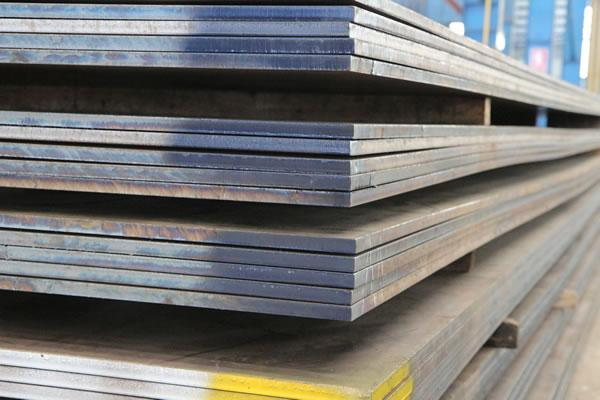
ASTM A572/A572M is a standard specification for high-strength low-alloy columbium-vanadium structural steel. It covers structural shapes, plates, sheet piling and bars used in bolted, welded and riveted structures.
Unlike conventional carbon structural steel, A572 uses microalloying elements such as niobium (also known as columbium) and vanadium, with other permitted alloying elements depending on the specified requirements.
These additions help improve strength while maintaining properties suitable for structural fabrication.
Key characteristics include:
Higher yield strength than conventional structural steel grades such as ASTM A36
Good strength-to-weight potential in structural design
Suitability for welded, bolted and riveted construction, depending on grade and application
Multiple strength levels to meet different engineering requirements
Applications in buildings, bridges, transportation and industrial structures
The actual performance of A572 steel depends on its grade, thickness, chemical composition and manufacturing requirements.
ASTM A572/A572M includes five principal grades: 42, 50, 55, 60 and 65. The numbers represent specified minimum yield strength levels in ksi, with corresponding metric values in MPa.
| Grade | Minimum Yield Strength | Typical Structural Applications |
|---|---|---|
| A572 Grade 42 | 42 ksi (290 MPa) | General structural applications |
| A572 Grade 50 | 50 ksi (345 MPa) | Buildings, bridges and heavy structural fabrication |
| A572 Grade 55 | 55 ksi (380 MPa) | Structural components requiring higher strength |
| A572 Grade 60 | 60 ksi (415 MPa) | Selected bridge and structural applications |
| A572 Grade 65 | 65 ksi (450 MPa) | Higher-strength structural applications |
These are nominal minimum yield strength levels, not a guarantee that every thickness has identical mechanical properties. Tensile strength and elongation requirements also vary according to the grade, product form and thickness.
ASTM A572 Grade 50 offers a balance of strength, weldability and structural versatility. Its minimum yield strength of 50 ksi (345 MPa) makes it a popular choice for projects requiring higher strength than conventional structural steel.
Typical applications include:
Structural steel frames and building components
Bridge girders and structural members
Heavy equipment and machinery structures
Truck trailers and transportation equipment
Industrial platforms and supporting structures
For many projects, Grade 50 provides an attractive option when engineers want to optimize structural weight while meeting design requirements.
ASTM A572 is a high-strength low-alloy steel, and its chemical composition is controlled to achieve the required mechanical properties.
For A572 Grade 50, commonly referenced chemical limits for plate products include:
| Element | Typical Specification Limit |
|---|---|
| Carbon (C) | 0.23% max |
| Manganese (Mn) | 1.35% max, subject to standard provisions |
| Phosphorus (P) | 0.04% max |
| Sulfur (S) | 0.05% max |
| Silicon (Si) | 0.40% max |
The standard also requires specified alloying elements, such as niobium, vanadium, titanium and/or nitrogen, within applicable limits. Exact requirements depend on the selected alloy type and standard provisions.
Commonly referenced minimum tensile requirements for A572 Grade 50 include:
| Property | Requirement |
|---|---|
| Yield Strength | 50 ksi (345 MPa) min |
| Tensile Strength | 65 ksi (450 MPa) min |
Elongation requirements depend on specimen dimensions, product form and thickness. Buyers should consult the applicable edition of ASTM A572/A572M and the material test certificate for the exact requirements.
For engineering procurement, chemical composition and mechanical properties should always be verified against the ordered grade and product thickness rather than relying solely on general reference values.
The combination of strength and structural versatility makes A572 suitable for a range of industrial and infrastructure projects.
Bridge Construction
A572 steel is used in bridge components and structural members where strength and structural efficiency are important. For welded bridge applications where notch toughness is critical, additional impact toughness requirements may need to be specified and agreed upon.
Building Structures
Structural plates and components made from A572 can be used in building frames, support structures and other load-bearing applications.
Heavy Equipment Manufacturing
The material is suitable for selected equipment frames, machinery supports and fabricated structural components.
Transportation Equipment
A572 Grade 50 is also used in certain truck trailer structures and transportation-related fabrication where its mechanical properties meet the design requirements.
Industrial Infrastructure
Industrial platforms, supporting structures and other fabricated steel components may use A572 grades according to engineering specifications.
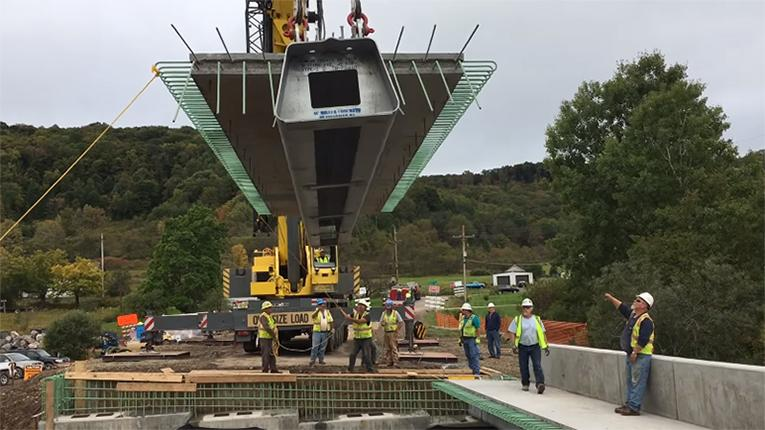
ASTM A572 Grade 50 and ASTM A36 are both used in structural steel applications, but they have different strength requirements and material specifications.
| Comparison | ASTM A572 Grade 50 | ASTM A36 |
|---|---|---|
| Steel classification | High-strength low-alloy structural steel | Carbon structural steel |
| Minimum yield strength | 50 ksi (345 MPa) | 36 ksi (250 MPa), subject to product form and thickness provisions |
| Strength level | Higher | Lower |
| Alloying approach | Uses specified microalloying elements | Conventional carbon structural steel chemistry |
| Typical applications | Higher-strength structural components | General structural fabrication |
A572 Grade 50 may allow engineers to reduce material weight in some designs, but it is not automatically a direct replacement for A36.
The final selection must account for structural calculations, plate thickness, welding procedures, fabrication requirements and applicable design codes.
ASTM A572 is not classified as weathering steel. Although it contains alloying elements, it should not be assumed to provide the enhanced atmospheric corrosion resistance associated with grades specifically designed for weathering applications.
For outdoor structures exposed to moisture or aggressive environments, buyers should consider appropriate corrosion protection, such as:
Industrial protective coating systems
Painting and surface preparation
Galvanizing, where suitable for the product and application
Other project-specific corrosion protection measures
ASTM A588 is a separate specification for atmospheric corrosion-resistant structural steel. It should not be substituted for A572 without agreement between the purchaser and supplier.
To avoid specification misunderstandings and ensure that the supplied material matches project requirements, international buyers should confirm the following details before requesting a quotation.
Steel Grade: Specify the required grade, such as A572 Grade 42, Grade 50 or Grade 65.
Dimensions: Provide the required thickness, width and length, including any cutting requirements.
Applicable Standard: Confirm ASTM A572/A572M and the required edition.
Mechanical Requirements: Specify yield strength, tensile strength, elongation and any additional impact testing requirements.
Welding and Fabrication: Identify whether the material will be welded, bent, drilled or machined, so suitable material and fabrication requirements can be reviewed.
Inspection Documents: Confirm whether a Mill Test Certificate (MTC), third-party inspection or other quality documentation is required.
Quantity and Destination: Provide the required quantity and destination port to support an accurate quotation and shipping arrangement.
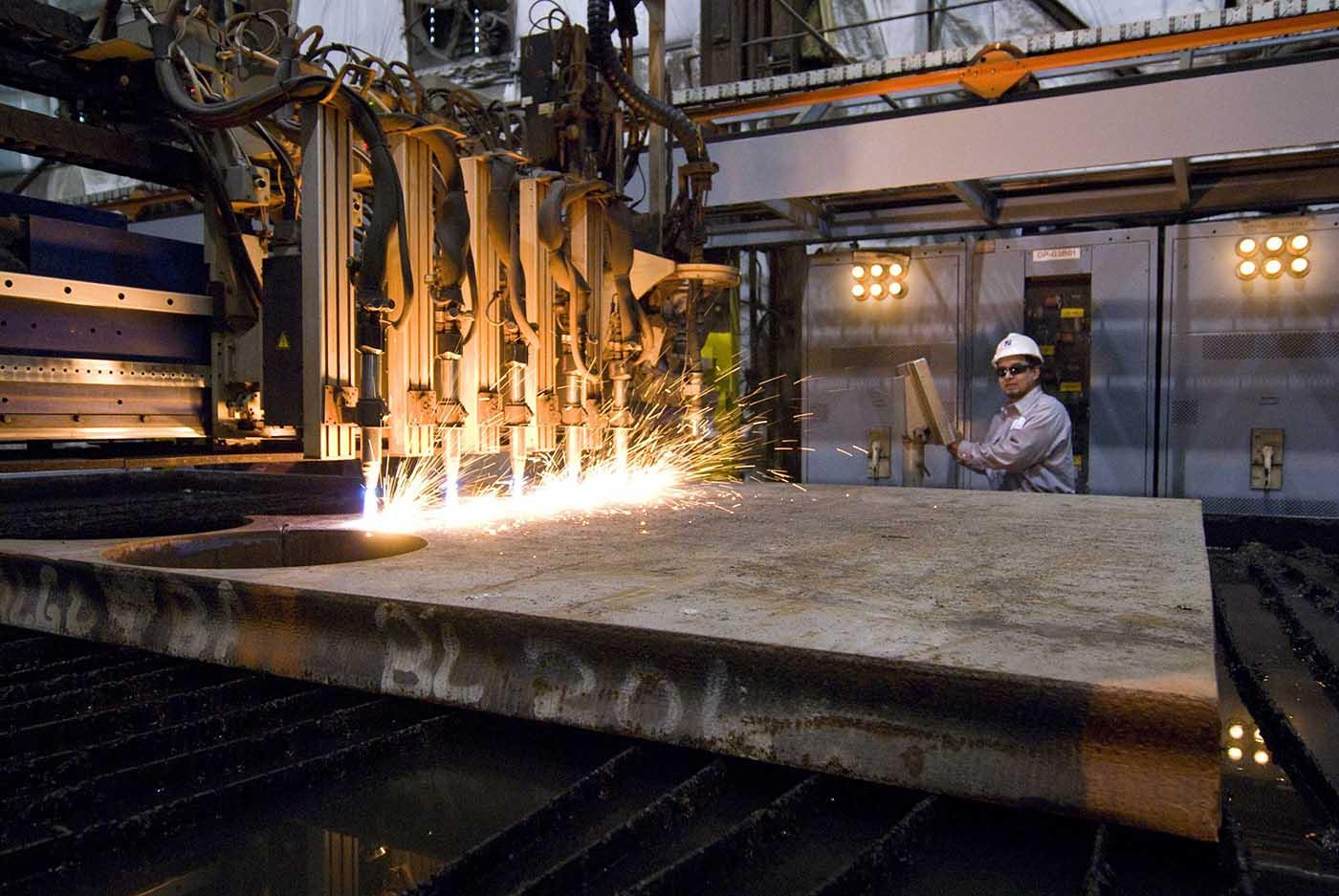
ASTM A572 steel plate is a practical material option for many structural engineering and industrial fabrication projects. Selecting the correct grade and confirming the applicable technical requirements are essential steps in the purchasing process.
Jinbaifeng Steel Co., Ltd. is a China-based steel supplier serving international buyers. We can discuss your requirements for ASTM A572 steel plate, including grade, thickness, dimensions, quantity and documentation.
Contact Jinbaifeng Steel to discuss your project requirements and request a quotation for ASTM A572 steel plate.