

AISI 4130 alloy steel pipe is a chromium-molybdenum steel product known for its strength, toughness and heat-treatment capabilities. It is widely used in mechanical engineering, oil and gas equipment, aerospace structures and other applications where ordinary carbon steel may not provide the required mechanical performance.
Also known as SAE 4130 or 4130 Chromoly steel, this material offers a useful balance of strength, machinability and weldability when the correct processing procedures are followed.
For buyers sourcing 4130 alloy steel pipe, understanding its chemical composition, heat treatment condition and applicable product specifications is essential.
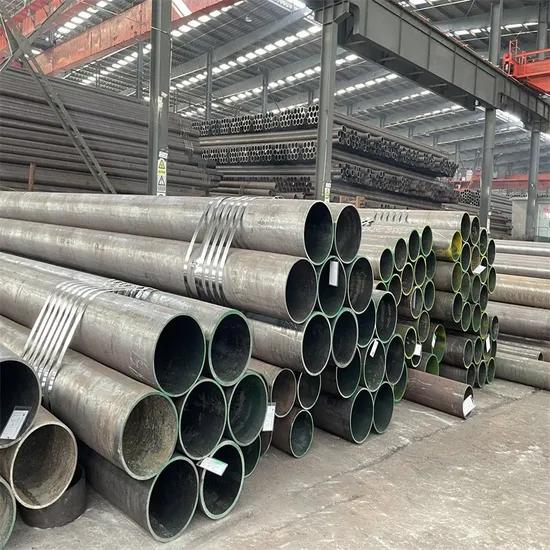
4130 is a low-alloy chromium-molybdenum steel. Its main alloying elements are chromium and molybdenum, which improve hardenability, strength and resistance to mechanical wear.
The grade contains approximately 0.30% carbon, making it suitable for various heat-treatment processes. Depending on the delivery condition, 4130 steel can be supplied in annealed, normalized or quenched and tempered conditions.
It is commonly available in seamless tubing and other engineered steel product forms. In technical purchasing, the terms "pipe" and "tube" should be checked carefully because they may refer to different dimensional standards and applications.
The chemical composition of 4130 determines many of its mechanical characteristics.
Typical composition ranges are shown below:
| Element | Typical Content (%) |
|---|---|
| Carbon (C) | 0.28–0.33 |
| Silicon (Si) | 0.15–0.35 |
| Manganese (Mn) | 0.40–0.60 |
| Chromium (Cr) | 0.80–1.10 |
| Molybdenum (Mo) | 0.15–0.25 |
| Phosphorus (P) | 0.035 max |
| Sulfur (S) | 0.040 max |
These values are commonly referenced for AISI 4130 alloy steel. Actual acceptance limits depend on the applicable material specification and its requirements.
Chromium contributes to hardenability, while molybdenum helps improve strength and performance during heat treatment. Together, these elements make 4130 suitable for demanding engineering applications.
One of the main advantages of 4130 steel is its ability to achieve different mechanical properties through heat treatment.
Common delivery conditions include:
Annealed: Provides relatively low hardness and good machinability.
Normalized: Produces a more uniform structure and balanced mechanical properties.
Quenched and Tempered: Increases strength and hardness while helping maintain toughness.
Mechanical properties vary significantly with heat treatment, section size and manufacturing conditions. Therefore, buyers should not rely on a single universal tensile strength or yield strength value for all 4130 pipes.
For critical applications, the required tensile strength, yield strength, hardness and impact properties should be specified in the purchase order and verified through the material test certificate.
The combination of strength, toughness and heat-treatment flexibility makes 4130 suitable for several industrial applications.
Oil and Gas Equipment
4130 alloy steel is used in selected oilfield components, drilling equipment and high-strength mechanical parts. Specific pressure-containing applications require compliance with the relevant industry standards and project specifications.
Aerospace and Aircraft Structures
4130 tubing has a long history of use in aircraft structural components, including support structures and tubular assemblies. Its strength-to-weight characteristics make it useful in applications where structural weight matters.
Automotive and Motorsport Engineering
The material is used in roll cages, chassis components and other fabricated tubular structures. Its mechanical properties make it suitable for applications requiring a strong yet relatively lightweight structure.
Industrial Machinery
4130 steel can also be used for shafts, mechanical components, structural supports and other engineered parts that require good strength and heat-treatment performance.
4130 and 4140 are both chromium-molybdenum alloy steels, but they have different carbon and manganese contents.
| Comparison | 4130 Steel | 4140 Steel |
|---|---|---|
| Carbon Content | 0.28–0.33% | 0.38–0.43% |
| Manganese Content | 0.40–0.60% | 0.75–1.00% |
| Chromium Content | 0.80–1.10% | 0.80–1.10% |
| Molybdenum Content | 0.15–0.25% | 0.15–0.25% |
| General Characteristics | Good strength and weldability | Higher hardenability and strength potential |
In general, 4140 can achieve higher hardness and strength through suitable heat treatment because of its higher carbon content. 4130 is often preferred when a combination of strength, toughness and weldability is required.
The final selection should depend on component design, operating conditions, fabrication requirements and specified mechanical properties.
When sourcing 4130 alloy steel pipe or tubing, buyers should identify the applicable product specification rather than specifying only the material grade.
ASTM A519 is one commonly referenced specification for seamless carbon and alloy steel mechanical tubing, including 4130 material.
For aerospace applications, SAE aerospace material specifications may also apply. The required specification depends on the intended product form and end use.
Before placing an order, confirm the following details:
Material grade: AISI 4130 / SAE 4130
Product form: Seamless pipe or mechanical tubing
Manufacturing process: Hot finished or cold finished
Outside diameter and wall thickness
Length and dimensional tolerances
Heat treatment condition
Required mechanical testing
Material test certificate and traceability requirements
Not every 4130 product automatically complies with ASTM A519 or an aerospace specification. The actual standard and applicable edition should be confirmed before ordering.
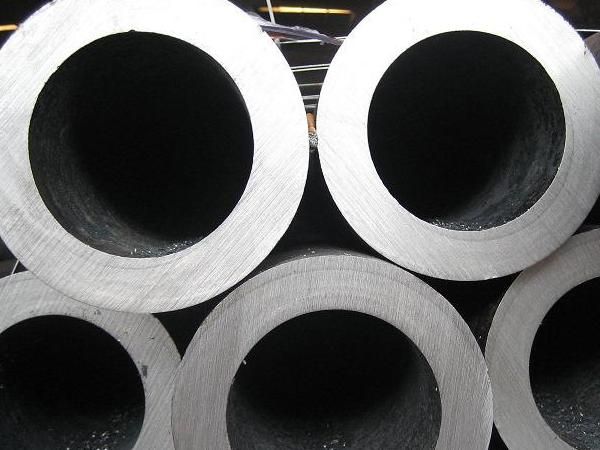
Selecting the correct 4130 material involves more than confirming its grade.
Material Standard
Confirm the exact ASTM, SAE or other applicable specification required by the project.
Dimensions and Tolerances
Provide the outside diameter, wall thickness, length and dimensional tolerances. For precision mechanical applications, dimensional accuracy may be particularly important.
Heat Treatment Condition
Specify whether the material is required in an annealed, normalized or quenched and tempered condition.
Mechanical Testing
Check whether tensile testing, hardness testing, impact testing or other inspections are required.
Material Documentation
Request a material test certificate (MTC) showing the chemical composition, mechanical test results, heat treatment condition and relevant traceability information.
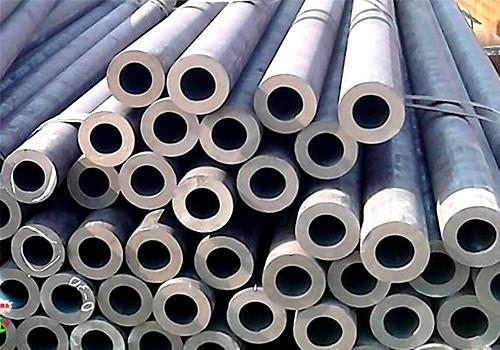
4130 alloy steel pipe is a versatile chromium-molybdenum steel product used in aerospace structures, oilfield equipment, automotive engineering and industrial machinery.
Its strength, toughness and heat-treatment flexibility make it a valuable option for applications requiring more than conventional carbon steel. However, selecting the right product requires careful consideration of the material specification, manufacturing process, dimensions and delivery condition.
Jinbaifeng Steel Co., Ltd. provides steel sourcing services for international buyers. Contact our team to discuss your 4130 alloy steel pipe requirements, including material grade, dimensions and technical specifications.