

Storage tanks are essential components in industries such as oil and gas, petrochemicals, chemical processing and energy production. They are used to store liquids and other materials under different operating conditions, making material selection an important part of tank engineering.
Among the carbon steel materials used in tank fabrication, ASTM A516 steel plate is a well-known option for applications involving welded pressure vessels and certain storage tank designs.
Its mechanical properties and suitability for welded fabrication make it relevant to tanks operating under moderate or lower-temperature service conditions.
However, not every storage tank requires A516 steel. The appropriate material depends on the tank design, operating pressure, temperature, stored medium and applicable construction standard.
ASTM A516 is a specification for carbon steel plates intended primarily for welded pressure vessels where improved notch toughness is important.
In storage tank projects, A516 steel plates may be used in different structural or pressure-retaining components, depending on the engineering design.
Typical applications include:
Tank Shell Plates
The tank shell forms the main body of a cylindrical storage tank. A516 plates may be selected for shell courses when the design specification, operating conditions and applicable construction code permit their use.
Tank Bottom Plates
Bottom plates form the base of a storage tank and support the stored material. Their material requirements depend on tank design, corrosion allowance, foundation conditions and applicable standards.
Tank Roof Components
Certain tank roof structures and components may use carbon steel plates selected according to structural and fabrication requirements.
Pressure Storage Vessels
A516 is particularly relevant to welded pressure vessels and pressure-retaining equipment. It is commonly considered for vessels used in petroleum processing, chemical production and industrial facilities.
The actual material selection for each tank component must follow the engineering drawings and applicable design code.
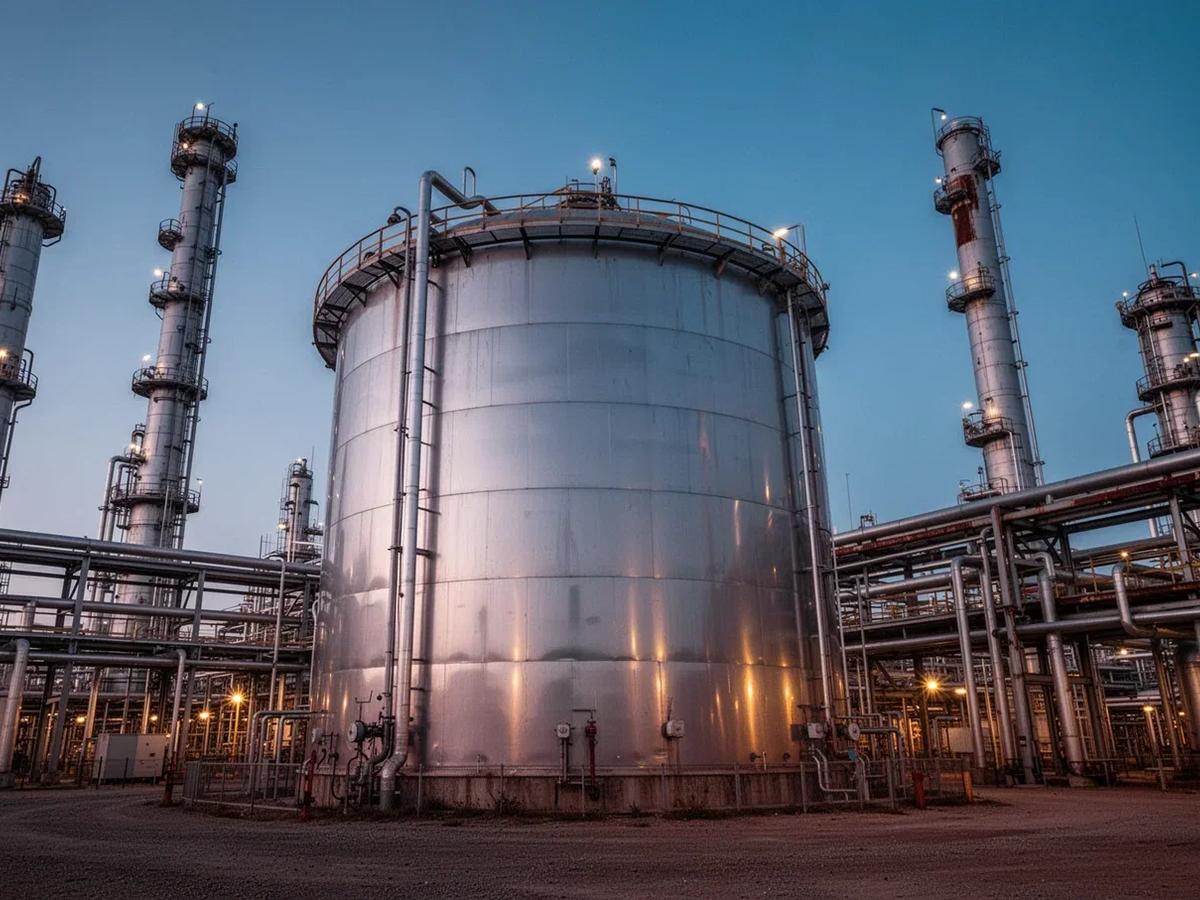
Several material characteristics make A516 steel plate suitable for certain tank and pressure vessel applications.
1. Mechanical Strength
A516 is available in different strength grades, allowing engineers to select material according to design requirements.
2. Welded Fabrication
A516 plates are intended for welded pressure vessel applications. Appropriate welding procedures and fabrication controls are essential when manufacturing tank shells and pressure-retaining components.
3. Notch Toughness Requirements
The specification addresses applications where improved notch toughness is important. Additional impact testing may be required depending on the design code, material thickness and operating temperature.
4. Different Plate Thicknesses
A516 steel plates are available in various thicknesses. This provides flexibility when designing tank components with different strength and thickness requirements.
Material suitability should always be verified through engineering calculations and the relevant construction standard rather than relying on grade designation alone.
ASTM A516 covers four commonly specified grades: Grade 55, Grade 60, Grade 65 and Grade 70.
They have different tensile strength levels.
| Grade | Tensile Strength |
|---|---|
| A516 Grade 55 | 380–515 MPa |
| A516 Grade 60 | 415–550 MPa |
| A516 Grade 65 | 450–585 MPa |
| A516 Grade 70 | 485–620 MPa |
A516 Grade 70 is widely specified in pressure vessel and storage tank-related projects because of its higher strength level.
However, the highest-strength grade is not automatically the best choice for every tank.
Engineers must consider design pressure, operating temperature, plate thickness, weldability, toughness requirements and applicable design rules before selecting a grade.
For some applications, Grade 60 or Grade 65 may meet the required design conditions without the need for Grade 70.
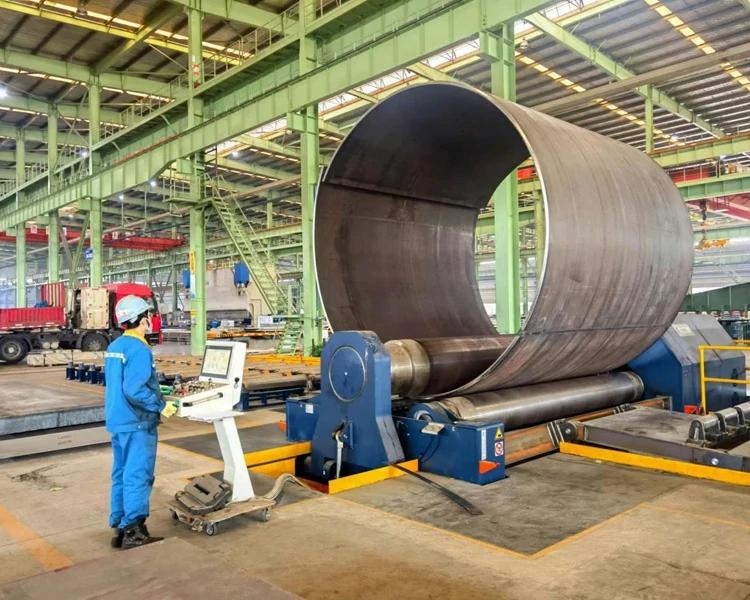
The design standard is one of the most important factors when selecting steel plates for storage tanks.
Two commonly referenced standards are API 650 and API 620.
API 650 – Welded Tanks for Oil Storage
API 650 is widely used for vertical, cylindrical, aboveground welded storage tanks operating at pressures approximating atmospheric pressure, within the standard's specified limits.
It covers tank design, materials, fabrication, inspection and testing.
Certain ASTM A516 grades may be used where permitted by the applicable edition and project requirements.
API 620 – Design and Construction of Large, Welded, Low-Pressure Storage Tanks
API 620 addresses large, welded, low-pressure storage tanks designed within its specified pressure and temperature limits.
Material selection must comply with the standard's material requirements and the relevant design conditions.
It is important to distinguish these tank standards from ASME Section VIII, which is commonly used for pressure vessel design.
A516 steel plate may be relevant to all these types of equipment, but its acceptance and additional requirements are determined by the applicable design code and project specification.
Selecting the correct steel plate is only one part of tank manufacturing. Several additional factors influence the quality and service performance of the finished tank.
Plate Thickness and Design Pressure
The required thickness depends on design pressure, tank diameter, material strength, corrosion allowance and other design factors.
Welding Procedures
Tank fabrication requires suitable welding procedures, qualified personnel and appropriate inspection according to the applicable code.
Impact Testing
Depending on operating temperature, thickness and construction requirements, Charpy V-notch impact testing may be specified to verify notch toughness.
Heat Treatment
Some projects require normalized plates or additional heat treatment. The required delivery condition should be clearly stated in the purchase specification.
Corrosion Protection
The internal and external surfaces of a tank may require protective coatings or other corrosion-control measures depending on the stored medium and surrounding environment.
For international procurement, providing detailed material requirements helps suppliers prepare accurate quotations and reduces specification errors.
Before placing an order, buyers should confirm:
| Specification | Information Required |
|---|---|
| Material standard | ASTM A516/A516M |
| Grade | Grade 55, 60, 65 or 70 |
| Thickness | Required thickness in mm |
| Width | Required plate width |
| Length | Standard or cut-to-size |
| Delivery condition | As rolled, normalized or other specified condition |
| Testing | Impact testing and other project requirements |
| Documentation | Mill Test Certificate and traceability requirements |
| Quantity | Required weight or number of plates |
| Destination | Delivery port or project location |
For tank projects, it is especially important to provide the applicable construction standard, such as API 650 or API 620, along with the project material specification.
This allows the supplier to understand the technical requirements before confirming the material.
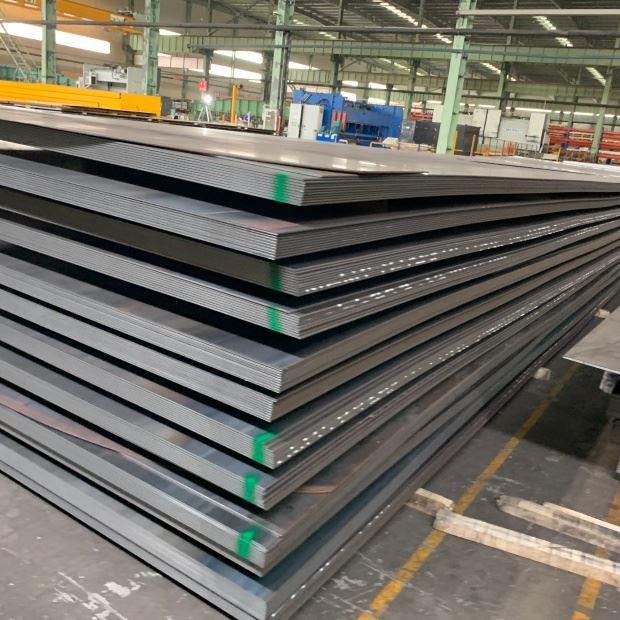
ASTM A516 steel plates are used in a range of industrial applications, including welded pressure vessels and certain storage tank projects.
Choosing the right material requires careful attention to grade, thickness, delivery condition, testing requirements and applicable construction standards.
Jinbaifeng Steel Co., Ltd. provides steel sourcing services for international customers looking for pressure vessel steel plates and other carbon steel products from China.
Whether your project requires A516 Grade 60, Grade 65 or Grade 70 steel plates, providing detailed specifications will help us review suitable supply options.
Contact Jinbaifeng Steel Co., Ltd. to discuss your ASTM A516 steel plate requirements and request a quotation.