

Galvanized steel coil and Galvalume steel coil are two widely used metallic-coated steel products in the global construction and manufacturing industries. Both are designed to improve the corrosion resistance of carbon steel, but they use different coating compositions and offer different performance characteristics.
For buyers importing coated steel coils, choosing between GI and GL is not simply a matter of comparing prices. The coating type, coating weight, base metal grade and intended application all influence the suitability of the material.
This article explains how galvanized and Galvalume steel coils differ, where each product is commonly used, and what buyers should check before placing an order.
The main difference between these products is the metallic coating applied to the steel substrate.
Galvanized Steel Coil (GI)
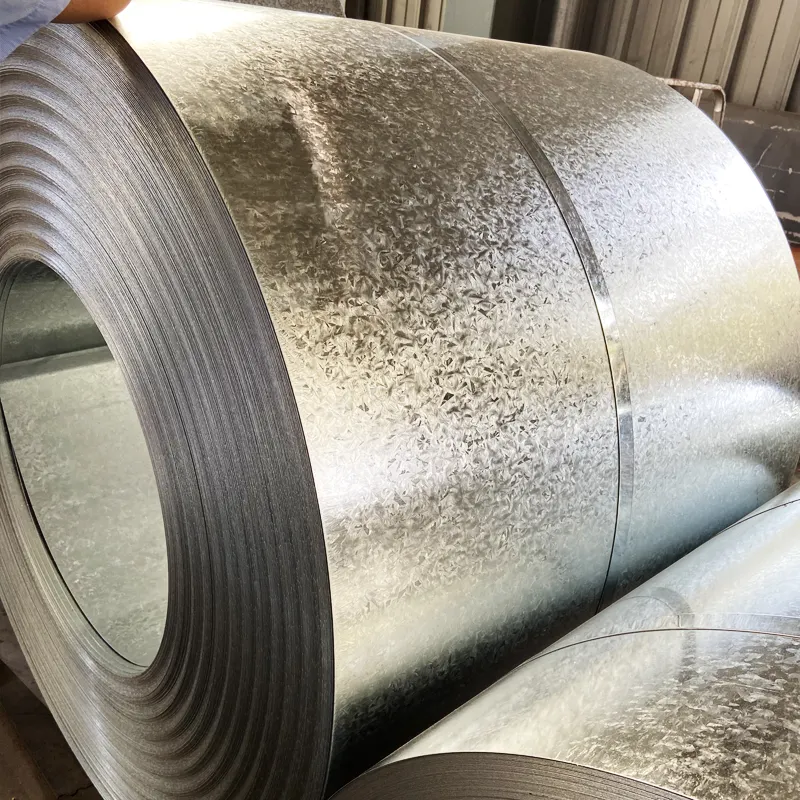
Galvanized steel coil is coated with zinc, usually through a continuous hot-dip galvanizing process. The zinc layer protects the underlying steel by acting as a barrier and providing sacrificial protection when the steel is exposed at small damaged areas.
GI coil is widely used in construction, household appliances, automotive components, ventilation systems and general metal fabrication.
Galvalume Steel Coil (GL)
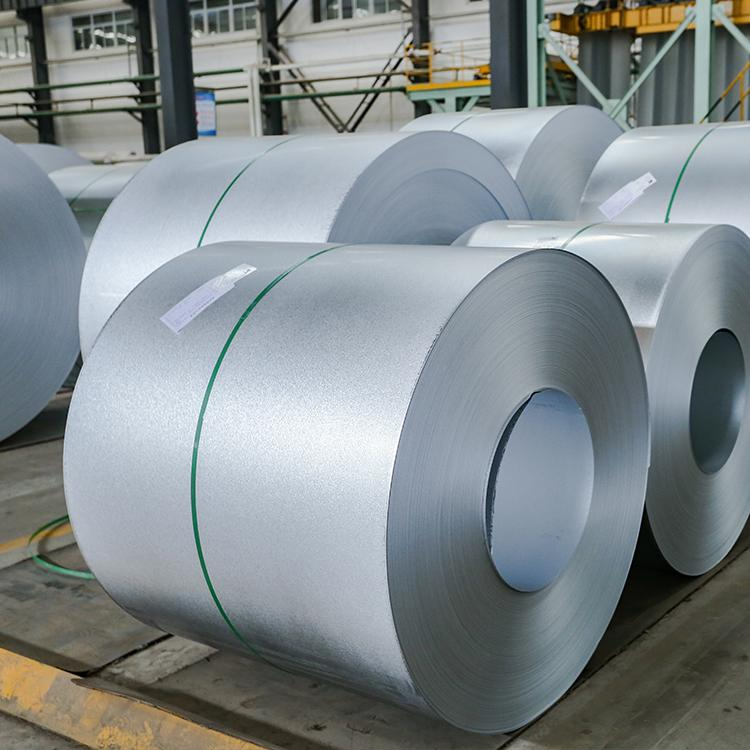
Galvalume steel coil is coated with an aluminum-zinc alloy. Conventional 55% aluminum-zinc coating typically contains approximately 55% aluminum, 43.4% zinc and 1.6% silicon by mass.
The aluminum-rich coating provides barrier protection, while zinc contributes sacrificial protection. This combination makes Galvalume a popular choice for roofing, wall cladding and other building applications requiring good atmospheric corrosion resistance.
Galvalume is also commonly referred to as Aluzinc or aluminum-zinc coated steel.
Although both products have metallic protective coatings, their performance is not identical.
| Comparison | Galvanized Steel Coil (GI) | Galvalume Steel Coil (GL) |
|---|---|---|
| Main coating | Zinc | Aluminum-zinc alloy |
| Common coating standard | ASTM A653/A653M | ASTM A792/A792M |
| EN coating designation | Z | AZ |
| Protection mechanism | Barrier and sacrificial protection | Aluminum-rich barrier and zinc-assisted protection |
| Typical applications | General fabrication, appliances, construction | Roofing, cladding and building panels |
| Heat resistance | Depends on coating and service conditions | Generally offers better heat resistance than conventional galvanized coating |
Neither coating is automatically the best option for every project.
Galvalume can offer excellent corrosion resistance on intact surfaces in many atmospheric environments. Galvanized steel, however, can provide stronger sacrificial protection around exposed cut edges and small damaged areas.
Actual service life depends on coating weight, environmental conditions, fabrication and maintenance.
The intended use of the steel coil should guide the selection.
When Galvanized Steel Coil Is a Suitable Choice
GI coil is commonly selected for:
General construction and steel fabrication
HVAC ducts and ventilation components
Household appliance housings
Automotive components
Storage equipment and metal products
Its zinc coating provides useful protection for products that require forming, cutting and fabrication. The required coating mass should be selected according to the operating environment and product specifications.
When Galvalume Steel Coil Is a Suitable Choice
GL coil is frequently used for:
Metal roofing sheets
Wall cladding systems
Industrial building panels
Roofing and building accessories
Applications requiring good heat reflectivity
Its aluminum-zinc coating is particularly attractive for building products exposed to outdoor atmospheric conditions.
However, the suitability of bare Galvalume should be checked carefully in aggressive environments, including certain coastal, continuously wet or animal-confinement applications.
One of the most important details in a steel coil quotation is the coating designation.
For galvanized steel, common designations include:
Z80
Z100
Z120
Z180
Z275
For Galvalume steel, common designations include:
AZ70
AZ100
AZ120
AZ150
AZ185
These are examples of coating designations used in relevant specifications. Actual available coating classes depend on the applicable standard and supplier.
Under EN 10346, the number following Z or AZ represents the nominal total coating mass on both surfaces, expressed in grams per square meter.
For example, Z275 indicates a nominal total coating mass of 275 g/m², while AZ150 indicates 150 g/m².
It is important not to compare Z275 and AZ150 simply by their numerical values. The two coatings have different compositions and densities, so coating mass alone does not determine which product will provide better performance.
International buyers commonly encounter the following standards when sourcing galvanized and Galvalume steel coils.
For Galvanized Steel Coil
ASTM A653/A653M – Steel sheet, zinc-coated or zinc-iron alloy-coated by the hot-dip process
EN 10346 – Continuously hot-dip coated steel flat products for cold forming
For Galvalume Steel Coil
ASTM A792/A792M – Steel sheet, 55% aluminum-zinc alloy-coated by the hot-dip process
EN 10346 – Includes aluminum-zinc coated steel products
The correct standard depends on the destination market, project specification and intended application. Buyers should also confirm the steel grade, coating class and required mechanical properties.
A detailed inquiry helps suppliers provide a more accurate quotation and reduces misunderstandings during order confirmation.
When requesting galvanized or Galvalume steel coils, consider specifying:
1. Product Type
State whether you need galvanized steel coil (GI) or Galvalume steel coil (GL).
2. Thickness and Width
Specify the required thickness and coil width in millimeters.
3. Coating Weight
Indicate the required coating designation, such as Z120, Z275, AZ100 or AZ150.
4. Base Metal Grade
Provide the required steel grade according to the relevant standard and application.
5. Surface Finish
Specify whether you require regular spangle, minimized spangle, zero spangle or another surface finish, where available.
6. Coil Weight and Packaging
Confirm the preferred coil weight, inner diameter, outer diameter and packaging requirements.
7. Quantity and Destination
Provide the order quantity and destination port so that shipping and delivery arrangements can be evaluated.
Selecting the right coated steel coil requires careful consideration of both the base steel and the metallic coating. A clear specification is essential for ensuring that the supplied material meets the requirements of your project.
Jinbaifeng Steel Co., Ltd. provides steel sourcing services for international buyers looking for galvanized steel coil and Galvalume steel coil from China.
Whether you are purchasing GI coil for general fabrication or GL coil for roofing and construction applications, our team can help you review your product requirements and discuss suitable supply options.
Contact Jinbaifeng Steel Co., Ltd. to request a quotation for galvanized or Galvalume steel coils.