

Angle steel is a common structural material used in construction, infrastructure, machinery and steel fabrication. Although it has a relatively simple L-shaped profile, ordering the wrong dimensions, material grade or standard can lead to problems during fabrication and installation.
For overseas buyers sourcing angle steel from China, a clear purchase specification is essential. Before requesting a quotation or placing an order, several technical and commercial details should be confirmed with the supplier.
Here are seven important points to consider when purchasing steel angle for your project.
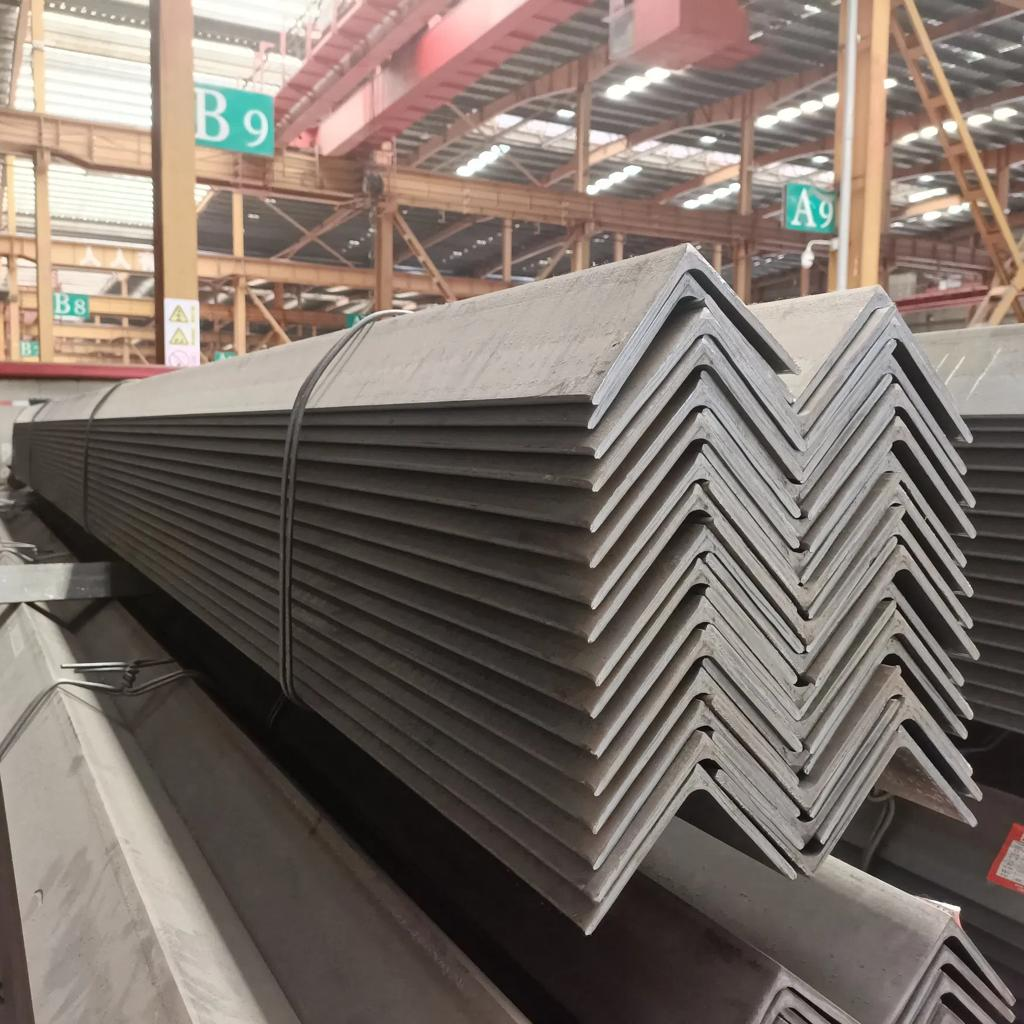
The first step is to identify the exact dimensions shown in your drawings or material list.
Angle steel is normally specified by three measurements:
First leg width
Second leg width
Thickness
For example:
50 × 50 × 5 mm
75 × 75 × 6 mm
100 × 100 × 10 mm
100 × 75 × 8 mm
The first three examples represent equal angle steel, while the last represents unequal angle steel.
Do not provide only the outside leg dimensions. Thickness must also be specified because it affects the section weight and structural properties.
Different projects require different mechanical properties. The material grade should therefore be confirmed before purchasing.
Common carbon structural steel grades include:
Q235B
Q355B
ASTM A36
S235JR
S275JR
S355JR
The appropriate grade depends on the design requirements and applicable product standard.
Buyers should not assume that grades from different standards are automatically equivalent. If a project specifies ASTM, EN or GB requirements, the quotation and supplied documents should clearly identify the applicable standard.
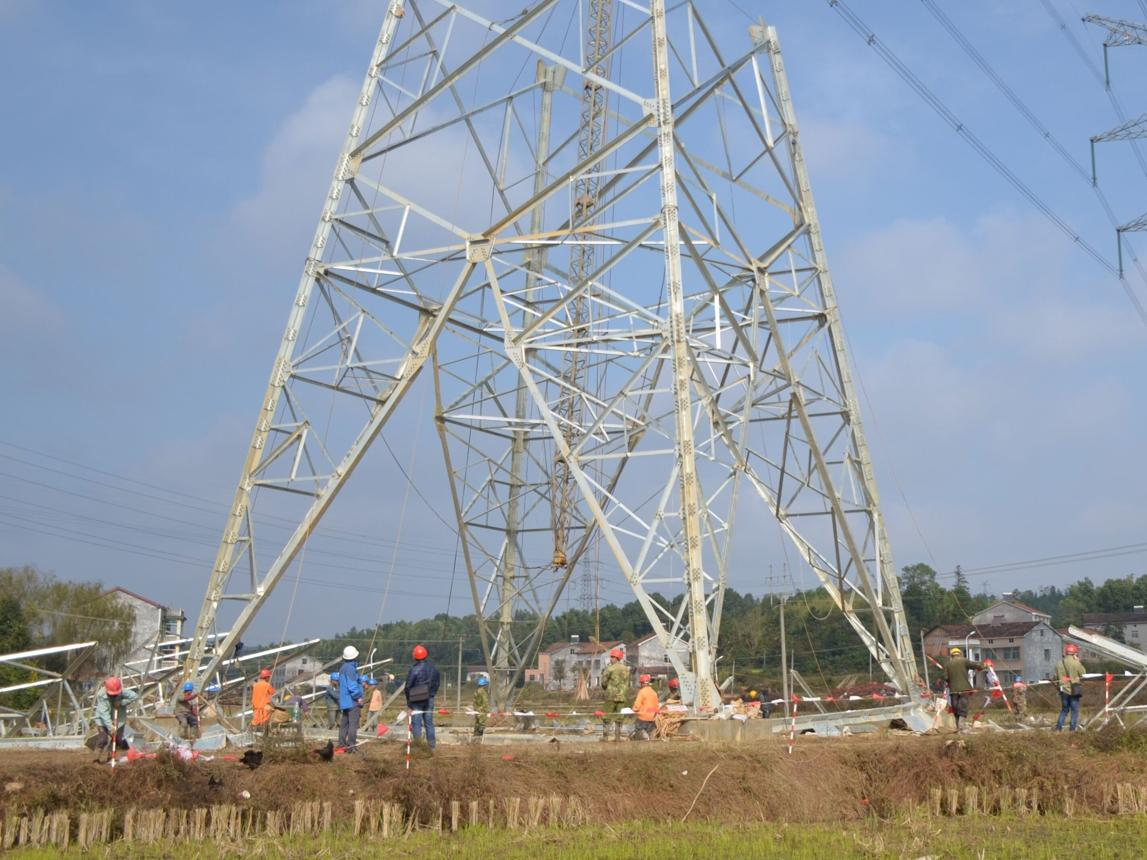
Two angle steel products with similar nominal dimensions may still have different dimensional tolerances or technical requirements.
Before ordering, confirm the required product standard and check:
Leg width tolerances
Thickness tolerances
Length tolerances
Straightness
Section dimensions and weight
For engineering projects, the applicable standard should be stated in the purchase order rather than left to the supplier's discretion.
The required surface condition depends on how and where the steel angle will be used.
Common options include:
Black Surface
Hot-rolled angle steel commonly has a dark mill-scale surface. It is often selected for general structural fabrication and projects where further surface treatment will be applied.
Galvanized Surface
Galvanized angle steel has a zinc coating that helps protect the steel against corrosion. It may be suitable for outdoor structures and applications exposed to moisture, subject to the project's coating requirements.
Painted or Primed Surface
Some projects require a primer or protective paint before delivery. Buyers should specify the coating system, color and required film thickness where applicable.
Surface treatment should be confirmed before production or shipment because it can affect the final product requirements and cost.
Standard supply lengths vary according to the product, market and supplier.
Some buyers require standard commercial lengths, while others need specific cut lengths for fabrication or installation.
When requesting a quotation, provide:
Required length per piece
Total quantity
Whether cut-to-length service is needed
Permitted length tolerance
If the steel angle will be used in a fabrication project, accurate cutting requirements can help reduce material waste and additional processing.
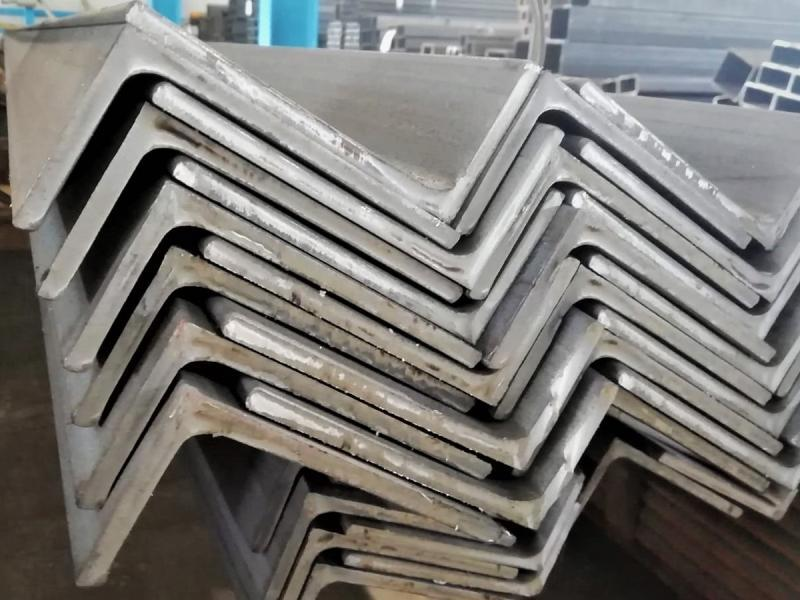
For international steel procurement, product documentation is an important part of quality control.
Depending on the contract and project requirements, buyers may request a Mill Test Certificate (MTC).
Relevant information may include:
Steel grade and applicable standard
Chemical composition
Tensile strength
Yield strength
Elongation
Heat or batch identification
The documents should correspond to the actual supplied materials. If third-party inspection is required, the inspection scope and arrangements should be agreed upon before shipment.
Angle steel is generally shipped in bundles. Proper packaging helps keep the materials organized during handling and transportation.
Before confirming an order, discuss:
Bundle weight and dimensions
Steel strapping and protective materials
Bundle identification and marking
Loading arrangements
Port of destination
Shipping terms and delivery schedule
For container shipments, the loading plan should also consider container dimensions, weight limits and cargo securing requirements.
To receive a more accurate quotation, buyers can prepare the following information before contacting a supplier:
| Item | Information to Provide |
|---|---|
| Product | Equal or unequal angle steel |
| Dimensions | Leg width × leg width × thickness |
| Material grade | Q235B, Q355B, A36, S355JR, etc. |
| Standard | GB, ASTM, EN or other specified standard |
| Length | Required length per piece |
| Surface | Black, galvanized or painted |
| Quantity | Tons or pieces |
| Destination | Port or delivery location |
Providing these details helps suppliers understand your requirements and reduces unnecessary clarification during the quotation process.
Choosing the right steel angle supplier involves more than comparing prices. Buyers should also evaluate specification accuracy, product documentation, communication and shipping arrangements.
Jinbaifeng Steel Co., Ltd. provides steel sourcing services for overseas customers, helping buyers identify suitable steel products according to their purchasing requirements.
Whether your project requires equal angle steel, unequal angle steel or other structural steel sections, clear specifications are the starting point for a successful purchase.
Contact Jinbaifeng Steel Co., Ltd. to discuss your angle steel requirements and request a quotation.