

When steel pipes are used in low-temperature environments, material selection becomes particularly important. Ordinary carbon steel pipes may lose impact toughness as temperatures decrease, increasing the risk of brittle fracture under certain operating conditions.
ASTM A333 Grade 6 is a widely used carbon steel pipe grade developed for low-temperature service and applications requiring notch toughness. It is commonly specified for industrial piping systems in oil and gas, petrochemical processing, power generation, and other demanding environments.
What makes A333 Grade 6 different from ordinary carbon steel pipe? How does it perform at low temperatures, and what should buyers consider when sourcing this material?
Let's take a closer look.
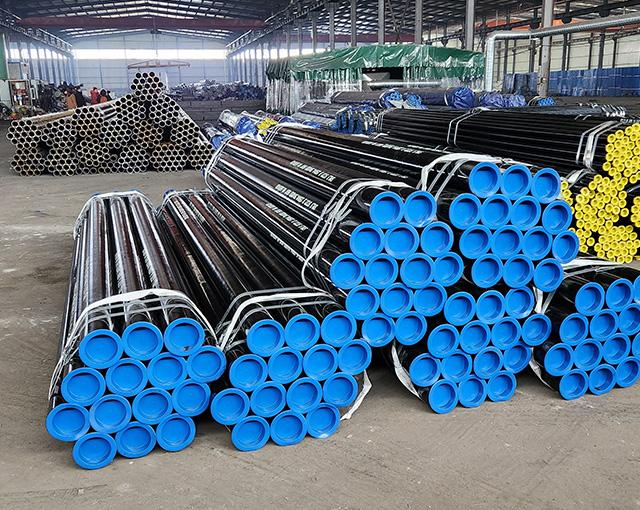
The main purpose of ASTM A333 Grade 6 is to provide reliable mechanical performance in low-temperature applications.
As temperatures decrease, many carbon steels become less ductile and more susceptible to brittle fracture. This is particularly important in piping systems exposed to cold environments, refrigerated fluids, and low-temperature process conditions.
A333 Grade 6 is designed with specified impact toughness requirements to address these conditions.
One of its key characteristics is the Charpy V-notch impact test requirement at -45°C (-50°F).
This testing evaluates the material's ability to absorb impact energy at low temperatures and helps verify its suitability for specified service conditions.
Typical applications include:
Low-temperature process piping
Natural gas processing facilities
LNG-related piping systems
Petrochemical plants
Refrigeration systems
Industrial fluid transportation
Power generation facilities
The actual material selection should always consider the project's minimum design metal temperature, operating pressure, and applicable engineering codes.
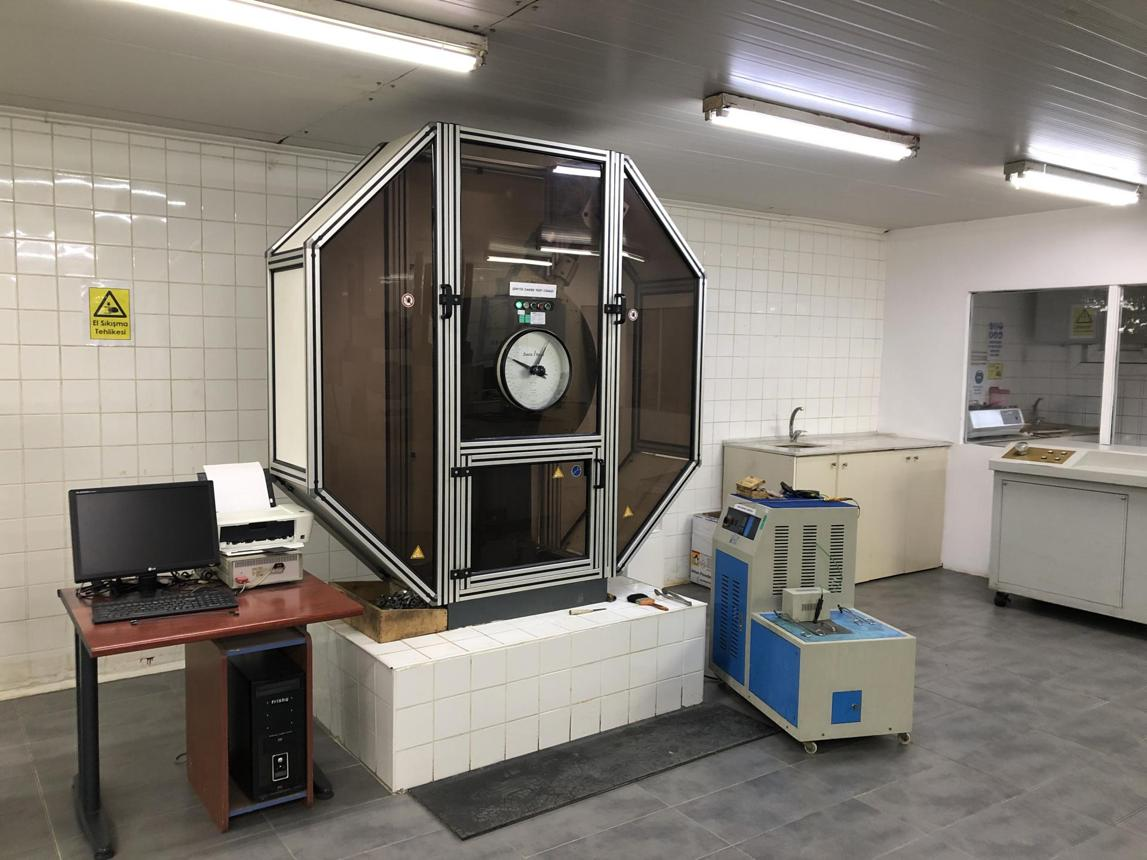
Chemical composition and mechanical properties are essential when evaluating the quality of low-temperature steel pipes.
The chemical composition requirements help control the material's strength, toughness, and overall performance.
Typical ASTM A333 Grade 6 composition limits include:
| Element | Composition (%) |
|---|---|
| Carbon (C) | 0.30 max |
| Manganese (Mn) | 0.29–1.06 |
| Phosphorus (P) | 0.025 max |
| Sulfur (S) | 0.025 max |
| Silicon (Si) | 0.10 min |
Additional elements and limits should be checked against the applicable edition of ASTM A333/A333M.
The standard specifies minimum tensile and yield strength requirements.
| Property | Requirement |
|---|---|
| Tensile Strength | 415 MPa min |
| Yield Strength | 240 MPa min |
| Elongation | Depends on specimen type and dimensions |
| Impact Test Temperature | -45°C |
The Charpy V-notch impact test is particularly important for this grade. For standard full-size specimens, the specified minimum average impact energy is 18 J, with a minimum individual value of 14 J.
For smaller specimens, the applicable impact energy requirements are adjusted according to the standard.
Buyers should review the material test certificate (MTC) to verify chemical composition, tensile properties, and impact test results.
ASTM A333 Grade 6 covers both seamless and welded steel pipes. The choice depends on project specifications, dimensions, manufacturing requirements, and operating conditions.
Seamless pipes are manufactured without a longitudinal weld seam.
They are commonly selected for industrial piping systems where seamless construction is specified by the engineering design.
Typical advantages include:
No longitudinal weld seam
Wide range of available dimensions
Suitable for various pressure piping applications
Consistent manufacturing requirements under the applicable standard
Welded pipes are manufactured by forming steel plates or strips and joining the edges through a welding process.
They can be suitable for applications requiring larger diameters or specific dimensional configurations, provided they meet the applicable ASTM A333 requirements.
The manufacturing process, weld quality, inspection, and impact testing requirements must be confirmed before ordering.
Neither manufacturing type is automatically better for every project. The final choice should follow the pipeline design and purchaser's specifications.
ASTM A333 Grade 6 and ASTM A106 Grade B are both carbon steel pipe grades, but they are designed for different service conditions.
This is an important distinction for engineers, contractors, and steel pipe buyers.
| Comparison | ASTM A333 Grade 6 | ASTM A106 Grade B |
|---|---|---|
| Main Application | Low-temperature service | High-temperature service |
| Pipe Type | Seamless and welded | Seamless |
| Minimum Tensile Strength | 415 MPa | 415 MPa |
| Minimum Yield Strength | 240 MPa | 240 MPa |
| Low-Temperature Impact Testing | Required | Not generally required by the material specification |
| Main Advantage | Low-temperature toughness requirements | High-temperature pressure service |
Although both grades have similar minimum tensile and yield strength values, their intended applications are different.
A333 Grade 6 includes specific low-temperature impact testing requirements, while A106 Grade B is designed for seamless carbon steel pipe used in high-temperature service.
Therefore, they should not be substituted for one another without engineering approval.
A333 Grade 6 is used in industrial environments where low-temperature toughness is an important material requirement.
Oil and Gas Industry
Used in selected low-temperature piping systems for natural gas processing, gas transportation facilities, and related industrial operations.
LNG and Refrigeration Facilities
Applied in piping systems handling refrigerated fluids and other low-temperature process media, subject to the project's material selection requirements.
Petrochemical Plants
Used in process piping where low-temperature conditions and impact toughness requirements must be considered.
Power Generation
Can be specified for industrial piping systems exposed to low-temperature operating conditions.
Industrial Fluid Transportation
Suitable for selected piping systems transporting fluids under low-temperature service conditions.
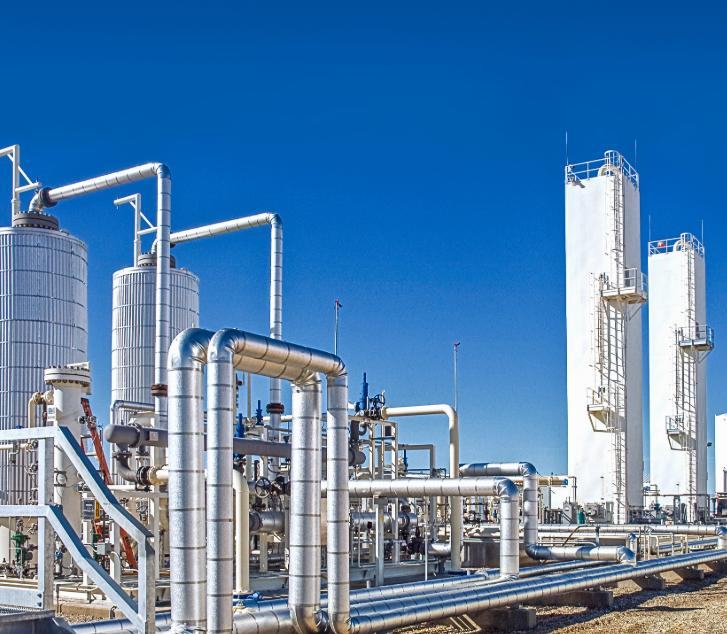
For international steel pipe buyers, confirming the correct material specification is only the first step.
Before placing an order, consider the following information:
1. Standard and Grade
Confirm ASTM A333/A333M Grade 6 and the applicable standard edition.
2. Pipe Dimensions
Specify the outside diameter, wall thickness, schedule, and required length.
3. Manufacturing Type
Indicate whether seamless or welded pipe is required.
4. Impact Test Requirements
Confirm the required Charpy V-notch test temperature and impact energy values.
5. Heat Treatment
Check the required heat treatment condition and corresponding production records.
6. Inspection and Certification
Request the material test certificate, chemical analysis, tensile test results, impact test reports, and other inspection documents required by the project.
Providing complete specifications allows suppliers to evaluate material availability and prepare more accurate quotations.
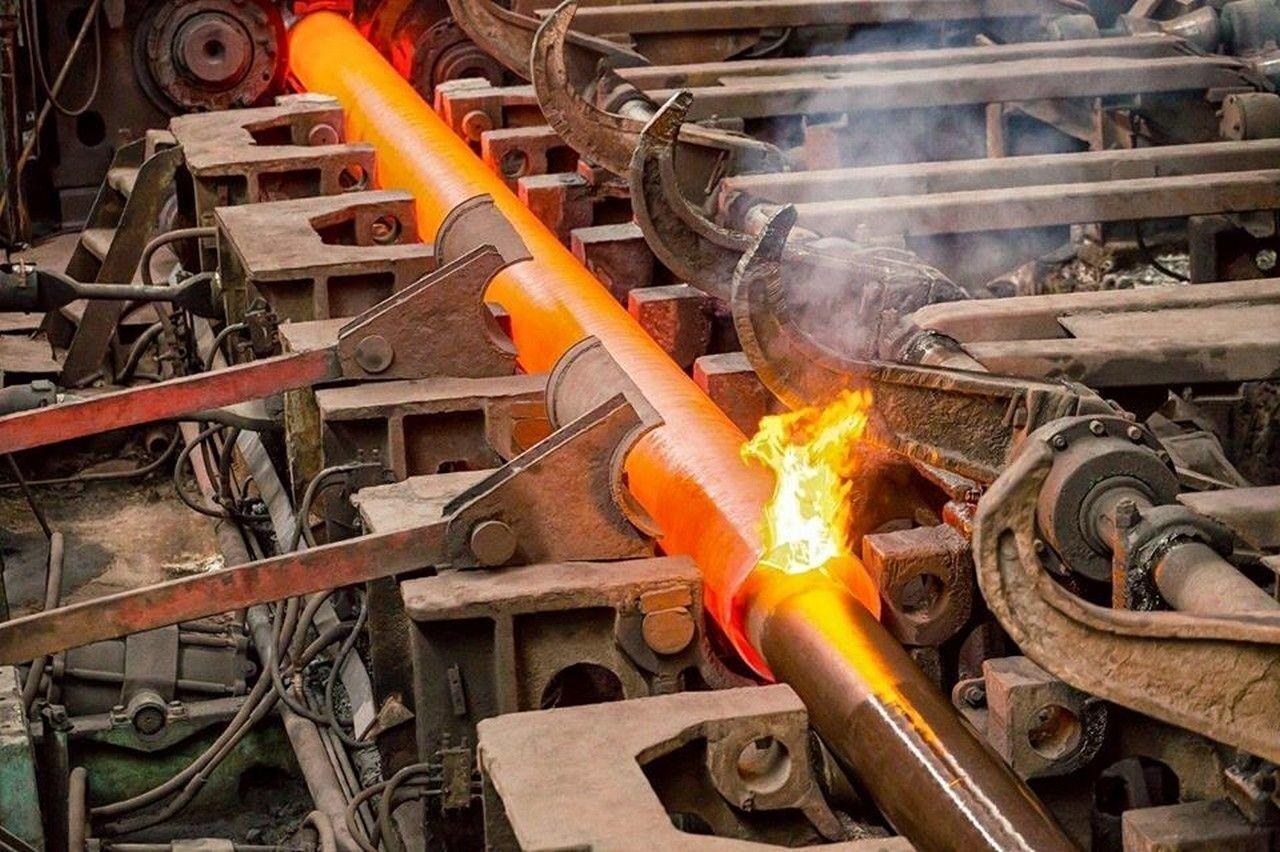
Jinbaifeng Steel Co., Ltd. is a China-based steel supplier serving international customers across different industries.
Our product range includes carbon steel pipes, seamless steel pipes, welded steel pipes, carbon steel plates, galvanized steel products, and structural steel.
For customers looking for ASTM A333 Grade 6 steel pipes, we can assist with product sourcing according to required grades, dimensions, manufacturing processes, and project specifications.
Whether you are purchasing low-temperature seamless pipes for an industrial project or welded pipes for a specific piping system, our team can help you evaluate available options.
To request a quotation, please provide:
Standard and steel grade
Outside diameter
Wall thickness or pipe schedule
Required length
Seamless or welded manufacturing type
Order quantity
Inspection and certification requirements
Delivery destination
Contact Jinbaifeng Steel Co., Ltd. to discuss your ASTM A333 Grade 6 pipe requirements and request a quotation.