

In industries such as mining, construction, and material handling, steel components are constantly exposed to friction, impact, and abrasive materials. Ordinary steel plates may wear out quickly under these conditions, resulting in frequent equipment maintenance and replacement.
Wear resistant steel plate is designed to solve this problem. With different hardness levels and mechanical properties available, buyers can select suitable materials according to their working conditions.
However, choosing the right wear plate is not simply about selecting the highest hardness grade. Understanding the differences between NM400, NM450, NM500, AR400, and AR500 is essential for making the right purchasing decision.
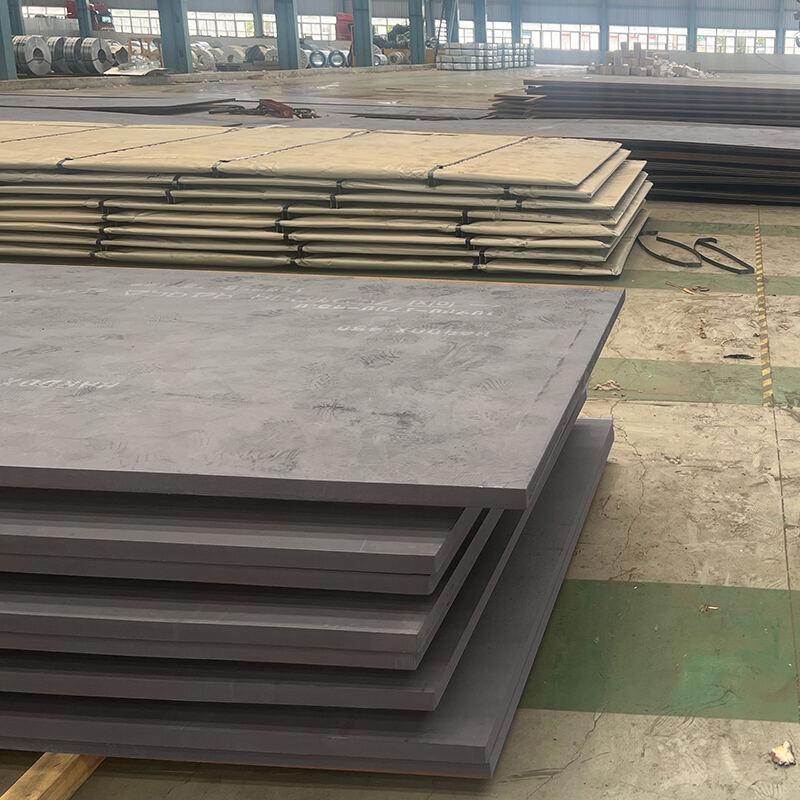
NM400, NM450, and NM500 are commonly used wear resistant steel grades in the Chinese steel market. Their numbers indicate nominal Brinell hardness levels.
The main difference between these grades is their hardness and suitability for different working conditions.
| Steel Grade | Nominal Hardness | Typical Applications |
|---|---|---|
| NM400 | 400 HBW | Construction machinery, dump trucks |
| NM450 | 450 HBW | Mining equipment, material handling |
| NM500 | 500 HBW | Severe abrasion environments |
NM400 Steel Plate
NM400 is a popular choice for general wear-resistant applications. It provides a balance between abrasion resistance and fabrication performance.
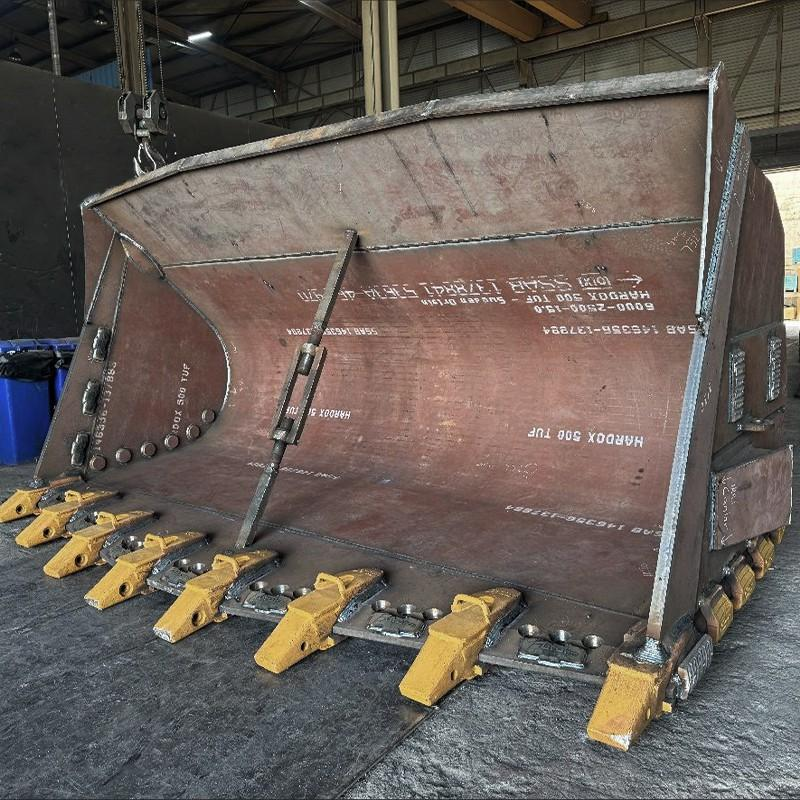
Typical applications include excavator buckets, dump truck bodies, loaders, and industrial hoppers.
NM450 Steel Plate
NM450 offers a higher hardness level than NM400 and is suitable for equipment exposed to more severe abrasive conditions.
It is commonly used in mining machinery, conveyor systems, and material handling equipment.
NM500 Steel Plate
NM500 is designed for applications requiring higher abrasion resistance. It is often selected for components exposed to continuous contact with hard abrasive materials.
Typical applications include crusher liners, mining equipment, and heavy-duty wear components.
The actual performance of each grade also depends on impact conditions, plate thickness, material quality, and operating environment.
AR stands for Abrasion Resistant. AR400 and AR500 are widely recognized wear plate designations in international markets.
AR400: Commonly used for general abrasion-resistant applications.
AR500: Provides a higher nominal hardness level for more demanding wear conditions.
Although AR400 and NM400 have similar nominal hardness designations, they should not automatically be treated as equivalent materials. Their chemical composition, manufacturing standards, mechanical properties, and certification requirements may differ.
Buyers should compare technical data sheets rather than relying on grade numbers alone.
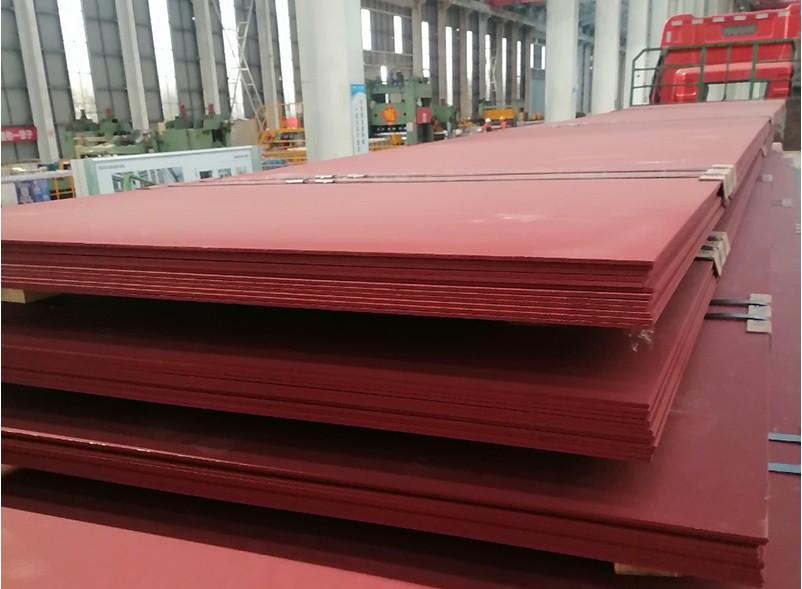
Wear resistant steel plates are widely used in industries where equipment handles abrasive materials or operates under demanding conditions.
Mining and Mineral Processing
Mining operations involve continuous contact with rocks, ores, and other abrasive materials. Wear plates are commonly used in crusher liners, hoppers, chutes, and conveyor systems.
Construction Equipment
Excavators, bulldozers, wheel loaders, and other heavy machinery require wear-resistant components to handle soil, gravel, and construction materials.
Dump Truck Manufacturing
Dump truck bodies are frequently exposed to abrasion from sand, gravel, coal, and minerals. Wear resistant steel plates help reduce material loss and extend the service life of truck bodies.
Cement and Bulk Material Handling
Cement plants and bulk material handling facilities use wear plates in storage bins, transfer chutes, and other equipment exposed to abrasive materials.
Not necessarily.
Higher hardness generally improves resistance to abrasive wear, but it does not guarantee better performance in every application.
For example, equipment exposed to heavy impact may require a better balance between hardness and toughness. A very hard steel plate may also require more careful cutting, welding, and forming procedures.
When selecting wear resistant steel, buyers should consider:
Type and size of abrasive materials
Impact intensity during operation
Working temperature
Required plate thickness
Fabrication and welding requirements
Expected equipment service life
The best grade is the one that matches the actual working conditions, not necessarily the one with the highest hardness.
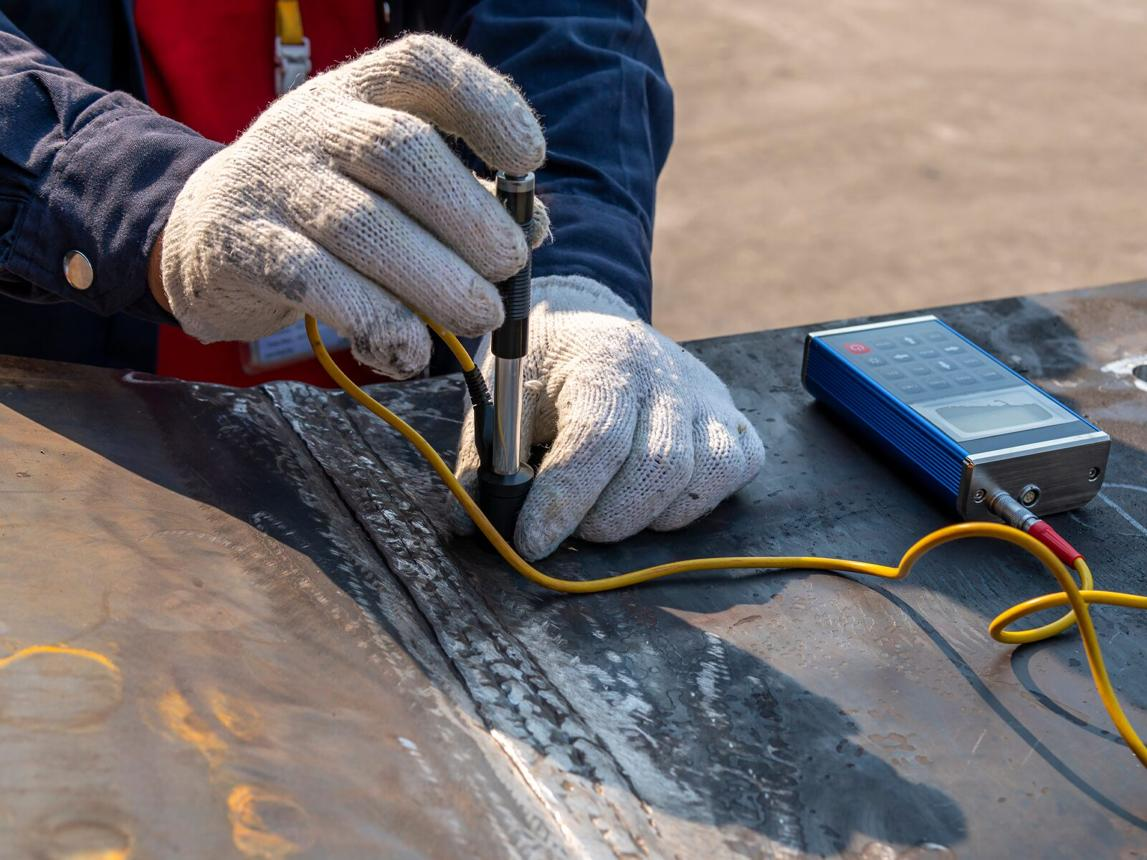
Before purchasing wear resistant steel plates, international buyers should confirm the following specifications:
1. Steel Grade
Specify the required grade, such as NM400, NM450, NM500, AR400, or AR500.
2. Plate Dimensions
Provide the required thickness, width, and length. Custom dimensions may be available depending on stock and production arrangements.
3. Hardness Requirements
Confirm the required hardness range and testing standard.
4. Quantity
Specify the total order quantity to help suppliers evaluate availability and quotation options.
5. Technical Documents
Request material certificates, hardness test reports, and other inspection documents according to project requirements.
Providing complete specifications helps avoid misunderstandings and makes the quotation process more efficient.
Jinbaifeng Steel Co., Ltd. is a China-based steel supplier serving international buyers across various industries.
We offer a range of steel products, including carbon steel plates, wear resistant steel plates, structural steel, galvanized steel products, and steel pipes.
For customers sourcing wear plates for mining machinery, construction equipment, dump trucks, and industrial applications, we can assist with product selection and sourcing based on specific requirements and product availability.
Whether you are looking for NM400, NM450, NM500, or other abrasion resistant steel grades, our team can help you evaluate suitable options.
To receive a quotation, please send us your required steel grade, dimensions, quantity, and delivery destination.
Contact Jinbaifeng Steel Co., Ltd. to discuss your steel sourcing requirements.
Website: https://www.jinbaifengmetal.com/