

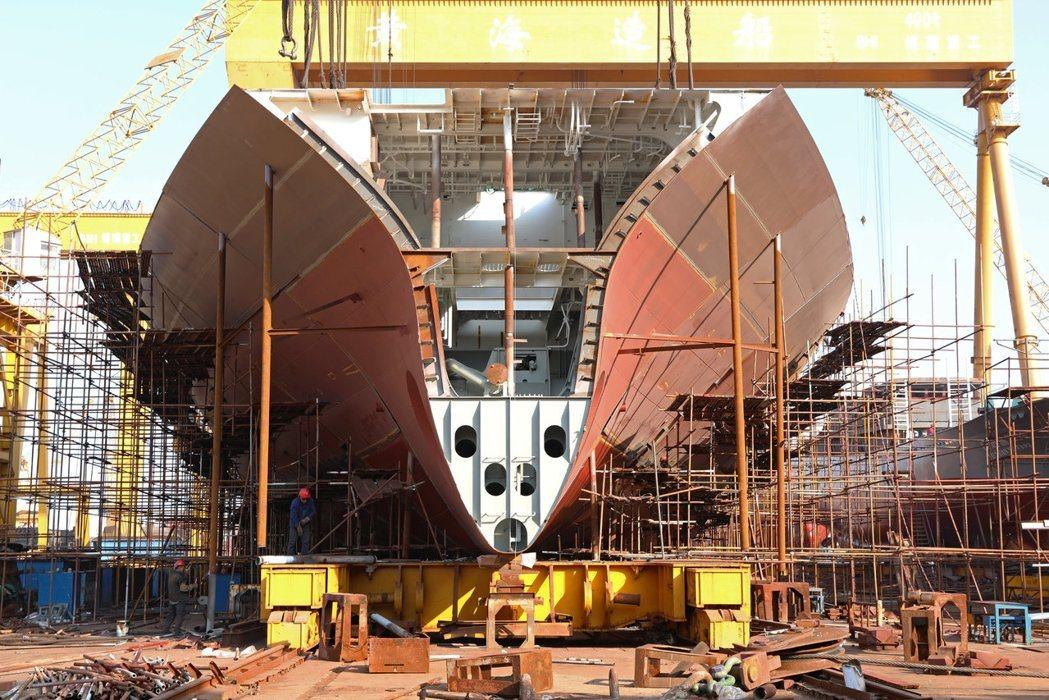
Shipbuilding steel plate is an essential material in the construction of ships, offshore platforms, and marine structures. It is widely used in ship hulls, decks, bulkheads, and other structural components that require high strength, toughness, and reliable welding performance.
Choosing the right shipbuilding steel plate is important for ensuring vessel safety, structural durability, and long-term performance in demanding marine environments.
In this article, we will introduce common shipbuilding steel grades, classification society standards, key properties, and their major applications.
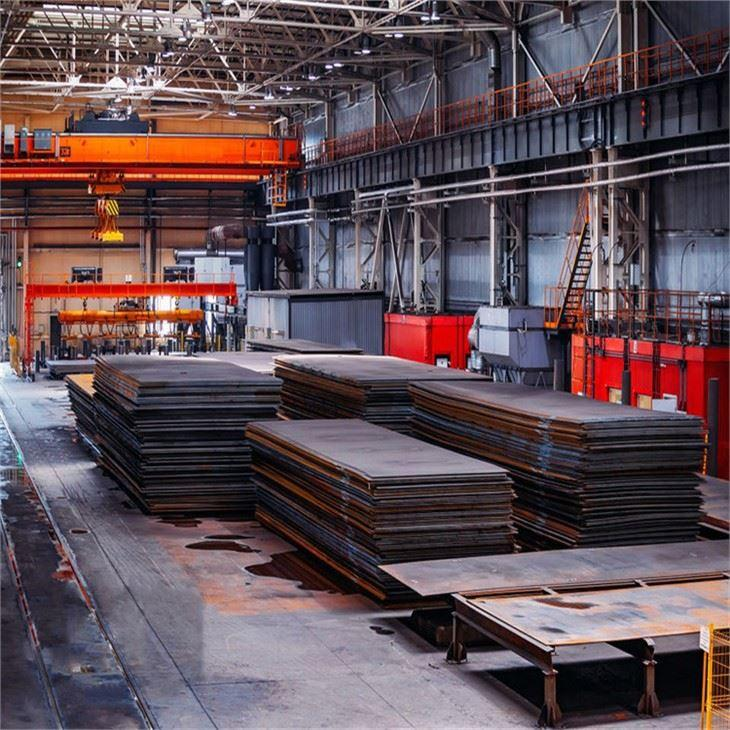
Shipbuilding steel plate is a type of structural steel specifically designed for ship construction and marine engineering applications.
Compared with ordinary carbon steel plates, shipbuilding steel plates must meet stricter requirements for mechanical properties, impact toughness, chemical composition, and weldability.
These properties help steel structures withstand wave impact, vibration, changing temperatures, and heavy loads during vessel operation.
Shipbuilding steel plates are commonly used in:
Ship hull structures
Ship decks and bulkheads
Cargo ships and container vessels
Oil tankers and bulk carriers
Offshore platforms
Marine engineering structures
Shipbuilding steel plates are generally divided into ordinary-strength and high-strength grades.
The most commonly used grades include Grade A, Grade B, Grade D, Grade E, AH32, DH32, AH36, DH36, EH36, and AH40.
Ordinary-strength shipbuilding steel is commonly used for general ship structural components.
Common grades include:
Grade A: General-purpose shipbuilding steel with standard impact toughness requirements.
Grade B: Provides improved impact toughness compared with Grade A.
Grade D: Designed for applications requiring impact toughness at lower temperatures.
Grade E: Offers higher impact toughness for more demanding low-temperature conditions.
High-strength shipbuilding steel is designed for structures requiring greater strength and load-bearing capacity.
Common grades include:
AH32: High-strength shipbuilding steel with an improved strength level.
DH32: Offers enhanced low-temperature impact toughness.
AH36: Widely used high-strength marine steel for ship hull structures.
DH36: Provides improved impact toughness at lower temperatures.
EH36: Designed for applications requiring higher impact toughness in colder environments.
AH40 / DH40 / EH40: Higher-strength grades used in demanding marine structural applications.
The selection of steel grade should be based on vessel design, operating conditions, and applicable classification society requirements.
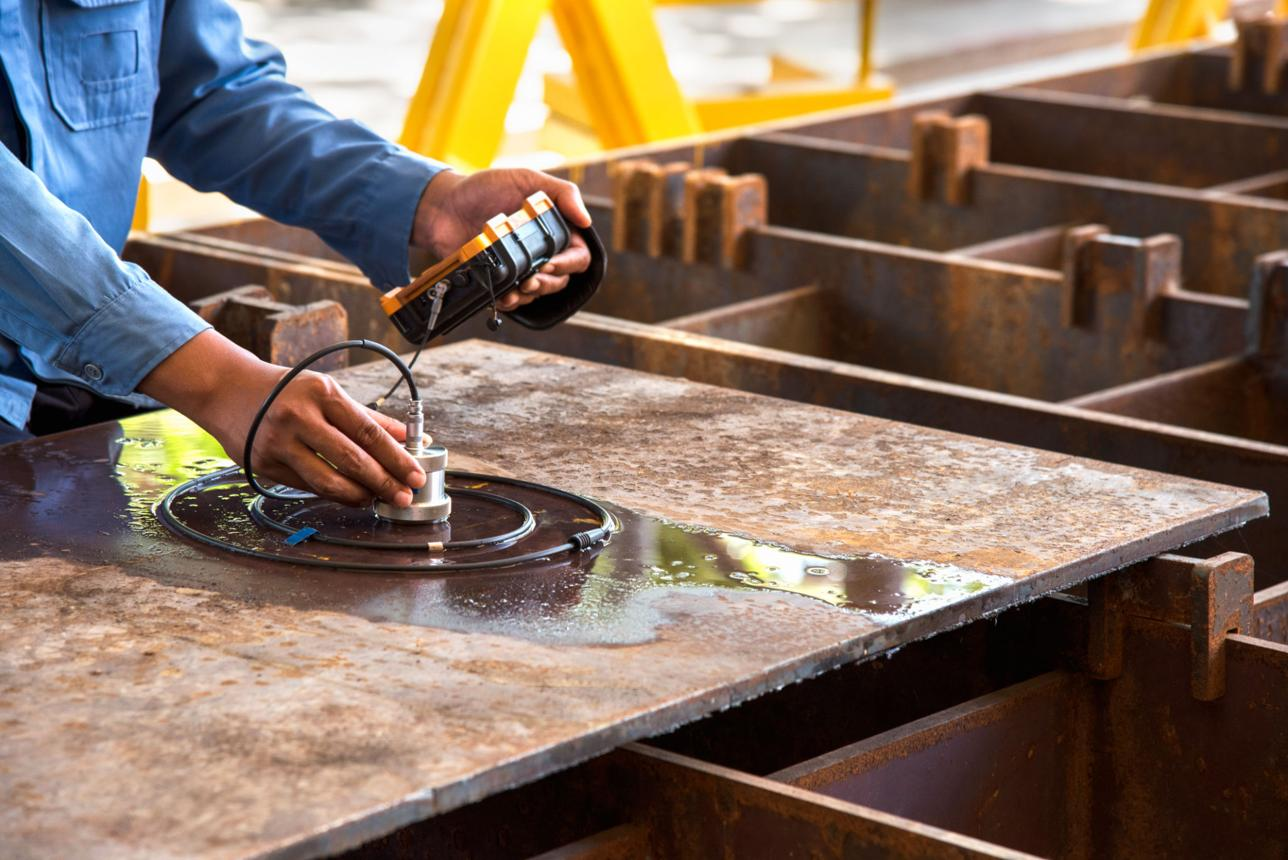
Shipbuilding steel plates are manufactured and inspected according to the requirements of recognized classification societies.
Common classification societies include:
ABS – American Bureau of Shipping
BV – Bureau Veritas
CCS – China Classification Society
DNV – Det Norske Veritas
LR – Lloyd's Register
KR – Korean Register
NK – Nippon Kaiji Kyokai
RINA – Registro Italiano Navale
These organizations establish technical requirements for shipbuilding materials, including chemical composition, mechanical properties, impact testing, and inspection procedures.
Buyers should confirm the required classification society and material certification before placing an order.
It is important to note that steel grades with similar designations are not automatically interchangeable across different classification societies. The actual approval and certification requirements must be checked against the vessel's specifications.
Shipbuilding steel plates must meet several important performance requirements.
High Strength
Marine structures are exposed to heavy loads, wave forces, and continuous mechanical stress. High-strength steel helps maintain structural stability and reduce structural weight where appropriate.
Excellent Toughness
Good impact toughness helps steel withstand sudden loads and low-temperature operating conditions, reducing the risk of brittle fracture.
Good Weldability
Ship construction involves extensive welding. Good weldability helps improve fabrication efficiency and structural reliability.
Reliable Mechanical Properties
Tensile strength, yield strength, elongation, and impact test results are important indicators when evaluating shipbuilding steel quality.
Shipbuilding steel plates are widely used across the marine transportation and offshore engineering industries.
Commercial Shipbuilding
Used in cargo ships, container ships, bulk carriers, and oil tankers for hull structures, decks, and bulkheads.
Offshore Engineering
High-strength marine steel plates are used in offshore platforms and other marine structures that require reliable structural performance.
Ship Repair and Maintenance
Shipbuilding steel plates are also used for replacing damaged structural components and maintaining existing vessels.
Marine Equipment Manufacturing
Certain grades are used in the fabrication of marine structural components and related equipment, subject to engineering specifications.
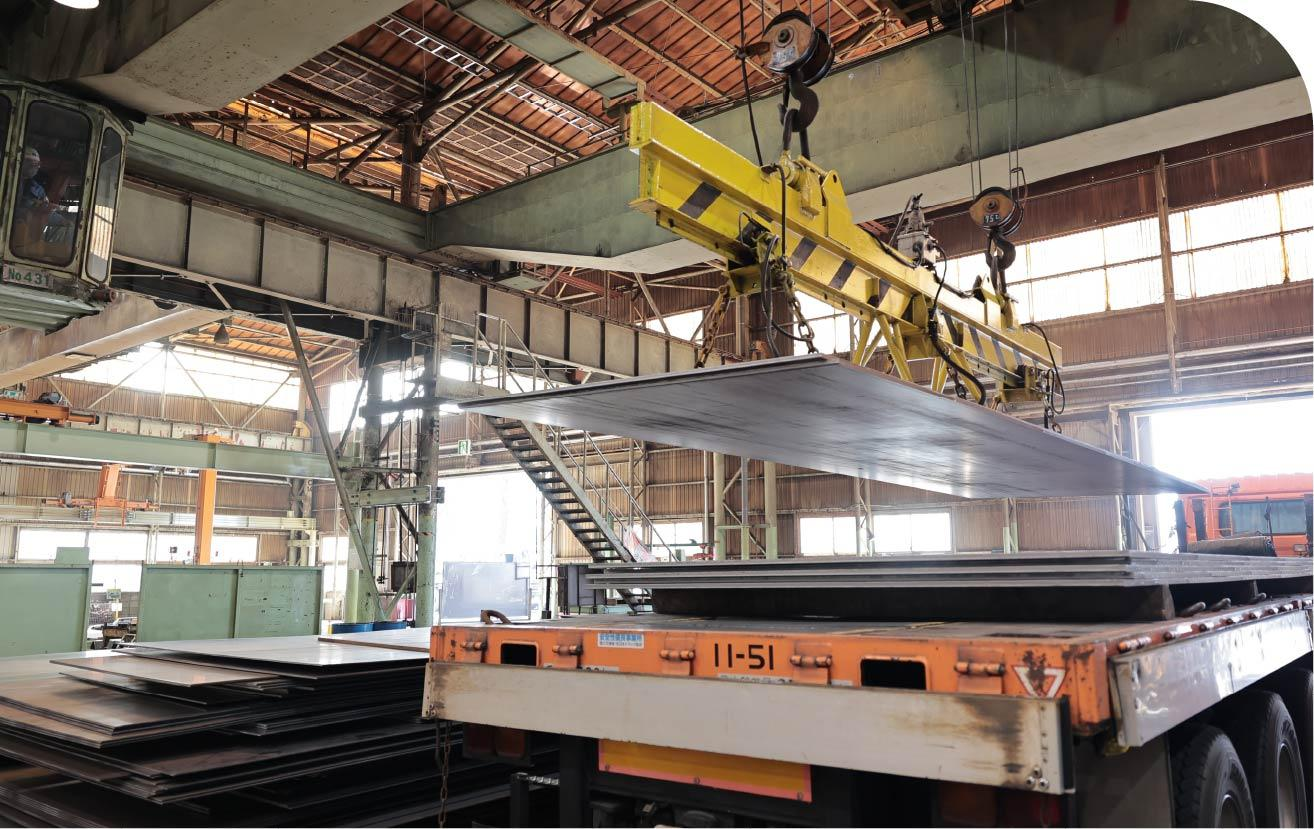
Selecting the appropriate shipbuilding steel plate requires consideration of several factors:
Steel Grade: Determine whether ordinary-strength or high-strength steel is required.
Classification Society: Confirm whether ABS, BV, CCS, DNV, LR, or another classification approval is specified.
Plate Dimensions: Check the required thickness, width, and length.
Delivery Condition: Confirm whether as-rolled, normalized, or thermomechanically controlled delivery is required.
Material Certification: Verify inspection documents, test reports, and required classification certificates.
Application: Consider the vessel type, structural position, and operating environment.
Providing detailed purchasing specifications helps suppliers recommend suitable materials and prepare accurate quotations.
Jinbaifeng Steel Co., Ltd. is a China-based steel supplier offering a range of steel products, including carbon steel plates, structural steel plates, pressure vessel steel plates, shipbuilding steel plates, steel pipes, and steel coils.
With experience in the steel industry, we provide steel sourcing solutions for international customers across different industries.
Whether you are looking for ordinary-strength shipbuilding steel or high-strength marine steel plates, we can assist with product selection and sourcing based on your project requirements.
When requesting a quotation, please provide the following information:
Required steel grade
Classification society
Thickness, width, and length
Required quantity
Delivery destination
Certification requirements
Contact Jinbaifeng Steel today to discuss your shipbuilding steel plate requirements and request a competitive quotation.
Jinbaifeng Steel Co., Ltd.
Website: https://www.jinbaifengmetal.com/
Email: [email protected]
WhatsApp: +86 188 6522 5182